How to Find a Pie Shop That Feels Like Home
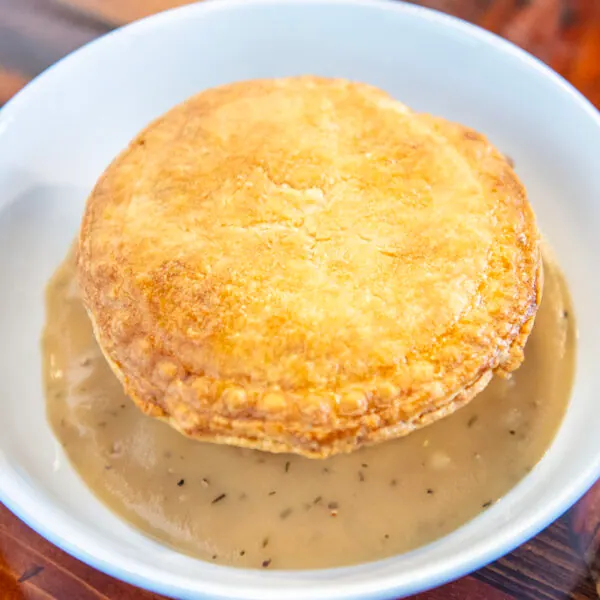
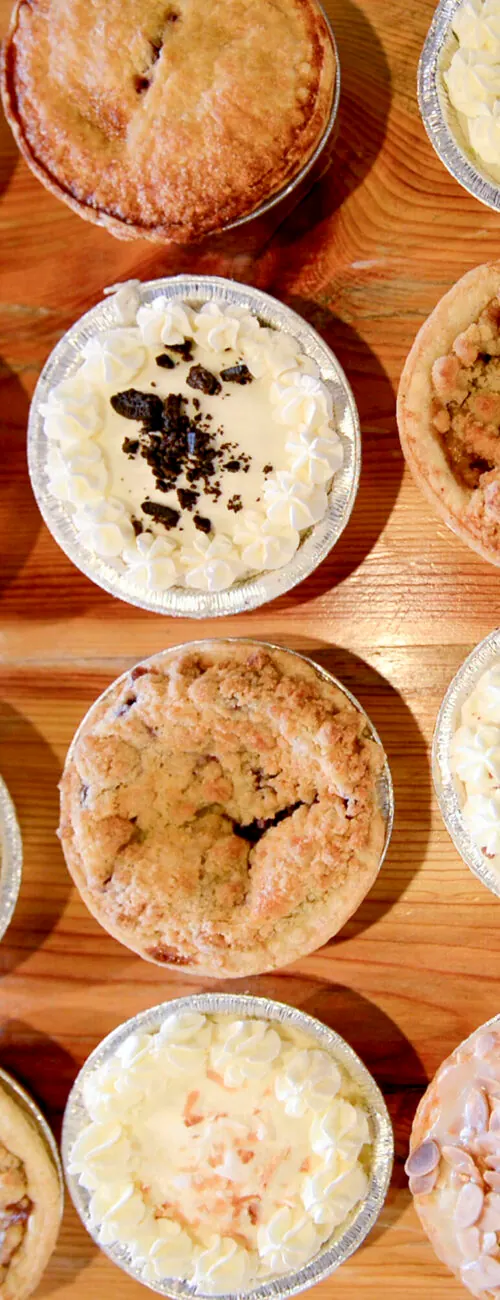
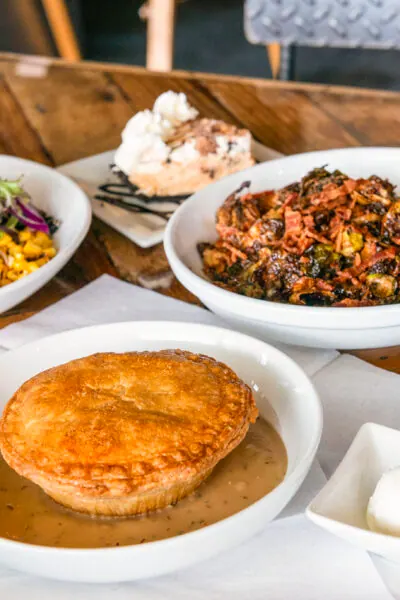
A good pie shop does more than sell dessert. It gives you a reason to slow down, lean on the counter for a minute, and ask what came out of the oven first that morning. It remembers that some customers want flaky apple pie with sharp cheddar, some want a chicken pot pie sturdy enough for supper, and some are only there because they need to bring something decent to a family table by six o'clock.
People often talk about food in broad terms, but pie is personal. It carries habits, family arguments, weather, holidays, small rewards after hard weeks, and the strong opinions people hold about crust. That is why finding the right pie shop can feel strangely important. You are not only looking for a place that bakes well. You are looking for a place that matches your sense of comfort, quality, and ritual.
The right shop rarely announces itself with a grand slogan. More often, it reveals itself in small decisions. The fruit filling tastes like fruit instead of sugar. The savory pies hold together without turning gummy. The staff can tell you which pie is best the day you walk in, not because they are reciting a script, but because they know what baked a little hotter, which batch of peaches came in riper than expected, and whether the pecan pie set properly this morning.
That kind of place is worth finding.
Start with your own idea of home
Before judging any pie shop, it helps to know what you mean by "feels like home." For one person, that means a quiet neighborhood bakery with steamed-up windows and a handwritten menu. For another, it means a bustling family-run storefront where half the room seems to know each other by name. Some people want the pie they grew up with, plain and familiar. Others want a shop that honors tradition but still surprises them with a brown butter chess pie or a roast mushroom hand pie in winter.
The mistake many people make is assuming there is one universal standard for a great pie shop. There is not. There are standards for skill, freshness, consistency, and hospitality. Beyond that, preference matters. A person raised on tall diner-style meringue pies may feel underwhelmed by a minimalist bakery with elegant but small slices. Someone who loves deeply caramelized fruit fillings may find a lighter, brighter style too restrained.
So begin with memory. Think about the pies you actually return to. Do you care most about crust, filling, portion size, sweetness, or variety? Are you buying dessert for yourself, dinner for your household, or gifts for other people? Do you want a place that serves coffee and invites you to stay, or do you only need a reliable pie shop where you can pick up a whole pie on the way home?
The clearer you are about your own standards, the easier it becomes to notice when a place truly fits.
The first signs appear before the first bite
A pie shop tells you a lot before you ever taste a slice. The storefront matters, but not in the polished, expensive sense. Cleanliness, order, and care matter more than style. A modest shop with scuffed tile and old wooden stools can feel deeply welcoming if the cases are neat, the signage is clear, and the whole room smells like butter, spice, toasted nuts, and fruit rather than stale grease or artificial fragrance.
The display case deserves attention. Pies should look alive, not preserved. Fruit pies should show variation in color and texture. A blueberry pie that is uniformly dark and glossy can signal thickener doing too much work. A peach pie with slices that still look like peaches, with some edges slumped and some juices settled naturally, often points to real handling and restraint. Cream pies should look chilled and fresh, not rigid. Meringue should have softness and color, not a dry shell. Savory pies should suggest structure and substance, not a puffed lid hiding a thin filling.
Listen to the room too. Every experienced food buyer learns this eventually: sound is information. A pleasant pie shop tends to have a natural rhythm. A little conversation, a little paper rustling, maybe the clink of plates. If customers ask questions and staff answer comfortably, that is usually a strong sign. If every interaction feels rushed, vague, or indifferent, the shop may still produce a good pie, but it is less likely to become a place you trust.
One of the clearest signals is how staff respond when you ask something specific. Ask which pie is best today. Ask whether the sour cherry is tart or sweet. Ask whether the chicken pot pie was baked this morning or yesterday and reheated. You are not interrogating anyone. You are checking whether the people behind the counter know their product well enough to guide you honestly. Good pie shops usually do.
Crust tells the truth
You can learn a great deal about a pie shop from crust alone. Filling gets attention because it is colorful and easy to describe, but crust is where discipline lives. It is the element most likely to expose shortcuts. Too tough, and the dough was overworked. Too pale, and the bake was timid. Too greasy, and the fat-to-flour balance or handling was off. Too crumbly, and it may have been pushed toward tenderness without enough structure to support the filling.
A proper crust does not need to shatter dramatically or perform for social media. It needs to support the pie, hold flavor, and create contrast. In a fruit pie, it should frame the filling rather than disappear into it. In a custard or cream pie, it should stay distinct. In a savory pie, it must be sturdy enough to carry the filling without turning leathery.
This is where repeat visits matter. Many shops can produce one excellent pie on one excellent day. The real test is whether the apple pie crust remains reliable across changing weather, whether the bottom crust avoids sogginess during busy seasons, whether hand pies stay crisp during the lunch rush. Baking is sensitive to humidity, fruit moisture, oven load, and timing. A trustworthy pie shop adjusts instead of hoping customers will not notice.
I have found that shops with strong crust usually have strong standards elsewhere. They tend to season better, portion more carefully, and speak more confidently about their process. A pie crust may seem like a small detail to someone browsing casually. It is not. It is often the clearest indicator that the kitchen respects the work.
Filling should taste like its main ingredient
It sounds obvious, but plenty of pie shops miss it. Apple pie should taste first of apple, then spice, then sweetness. Berry pie should taste of the berry itself, not just sugar and lemon. Chocolate pie should taste of cocoa and depth, not merely sweetness and whipped topping. Even a rich pecan pie should offer notes of toasted nuts, butter, and caramel rather than flat syrup.
This is where balance separates memorable pie from merely pleasant pie. A homey pie shop usually understands restraint. Fruit is allowed to be tart when it should be tart. Custards are not overflavored. Savory fillings are seasoned fully but not aggressively. Texture is considered as carefully as taste. A chicken pot pie should offer distinct pieces of chicken and vegetables in a velvety filling, not a gray mass under pastry. A shepherd's pie variation should taste like meat, herbs, and stock, not just salt and starch.
Seasonality plays a role here too. A smart pie shop leans into what is naturally good. Late summer stone fruit pies often need less embellishment because the fruit carries itself. Winter pies may rely more on nuts, spice, chocolate, and preserved fruit. A place that insists on offering every pie all year sometimes sacrifices quality for breadth. Not always, but often enough that it is worth paying attention.
If a shop has fewer options on a given day, that can be a promising sign. Limited selection can mean they are baking according to ingredients, labor, and demand, rather than filling a case for appearances.
Hospitality matters as much as the baking
A pie shop that feels like home has a human quality you can sense quickly. It does not need to be sentimental. It does need to be attentive. People remember when someone behind the counter says, "That one is better warmed up," or "The cherry is especially tart today," or "If this is for tomorrow, take the peach, not the cream pie."
That kind of advice builds trust because it puts the customer ahead of the sale. The best food businesses understand this. They are not simply moving product. They are helping customers choose well.
Hospitality also shows up in how a shop handles ordinary problems. If they run out of a popular pie, do they shrug, or do they suggest an alternative thoughtfully? If someone needs to know whether a crust contains lard, can they answer without confusion? If a whole pie pickup is delayed, do they communicate clearly? People forgive plenty when a business is honest and prepared. They rarely forgive evasiveness.
Warmth does not always look chatty. Some excellent shopkeepers are brisk, quiet, and highly professional. What matters is whether the interaction feels grounded and respectful. Home, after all, is not only softness. It is reliability.
The regulars are part of the review
Watch who comes in and how they behave. Regular customers reveal a lot. If people walk in with confidence, ask for their usual, greet the staff easily, or buy for specific family events, that is useful information. It suggests the pie shop is woven into local routines.
A neighborhood following does not guarantee quality, but it often signals staying power. People may try a trendy bakery once for novelty. They return to a dependable pie shop because it has earned a place in birthdays, holidays, potlucks, condolences, and Sunday dinners. Those occasions are too important for mediocre pie.
There is an important caveat here. Some beloved old shops survive on nostalgia long after the product slips. Loyalty can outlast standards. That is why you should observe regulars and still trust your own palate. If the crust is consistently tough or the fillings taste tired, local affection does not change the facts. Sentiment is part of the picture, not the whole picture.
Price tells a story, but not always the one you think
People often use price as a shortcut. Expensive must mean artisanal. Cheap must mean old-fashioned value. Neither assumption holds up reliably.
A whole pie reflects ingredient cost, labor, rent, packaging, and waste. Butter is expensive. Good fruit can be expensive. Skilled labor is expensive. A carefully made pie with quality ingredients should not be suspiciously cheap. At the same time, a premium price does not automatically guarantee superior baking. Some shops spend heavily on branding and design while delivering pies that are visually striking but technically ordinary.
Instead of asking whether a pie is cheap or expensive, ask whether it feels worth the price. A generous slice with excellent crust and balanced filling may justify a higher number without any resistance from the customer. A beautiful but cloying pie can feel overpriced at any level.
Whole-pie ordering is often where value becomes clearest. A dependable pie shop should be able to explain portion size, storage, and ideal serving window. If a nine-inch pie serves six generously or eight modestly, they should tell you plainly. If a cream pie is best eaten the same day, they should say so. Shops that think seriously about value usually communicate these details without being prompted.
A few questions worth asking
When you are deciding whether a pie shop might become your place, a short conversation can reveal more than an online rating ever will.
- Which pie is at its best today?
- What do you recommend for serving tomorrow?
- Is the crust all butter, mixed fat, or something else?
- Which savory pie holds up best for reheating?
- Do you bake everything here?
These questions work because they are practical. They invite real answers, not rehearsed marketing lines. You are not searching for perfection. You are looking for evidence that the shop knows its strengths, understands its product, and respects the person buying it.
Online clues help, but they cannot finish the job
Reviews, photos, and local food forums can narrow the field. They can tell you which pie shop has a strong reputation for holiday ordering, whether parking is a headache, or whether a shop known for sweets also handles savory pies well. They can also warn you about chronic issues such as long delays, inconsistent hours, or a steep drop in quality after a change in ownership.
Still, pie does not travel especially well through the internet. Photos tend to reward height, shine, and decorative crust work. They tell you little about whether the filling is watery, whether the bottom crust is baked through, or whether the seasoning in a savory pie is thoughtful. Reviews can be skewed by nostalgia, one bad interaction, or personal preference. Someone who loves very sweet pie may pan a shop that intentionally keeps fruit bright and tart.
Use online research as a map, not a verdict. Then go in person. Buy one slice of something classic and one item that shows range. Apple plus a savory hand pie is a useful test. So is pumpkin plus lemon chess, or chicken pot pie plus berry. You want to see whether the shop handles both staples and specialties with equal care.
The best pie shop fits into real life
There is romance in destination bakeries, and some are worth the drive. But the pie shop that feels like home usually fits the practical shape of your life. It is open when you can actually go. It packages pies sensibly. It takes holiday orders without chaos. It offers dependable options for ordinary weekends, not just major events.
Accessibility matters more than food enthusiasts sometimes admit. A perfect pie shop across town https://devintusn454.raidersfanteamshop.com/fresh-fruit-pies-that-shine-at-the-pie-shop with impossible parking and limited hours may remain an occasional treat. A very good pie shop ten minutes away, where staff know how to box a warm pie so it does not steam itself soggy, may become the place you rely on for years. Familiarity deepens affection. So does convenience.
This does not mean settling. It means recognizing that home is partly built from repetition. The places that feel like ours are often the ones that consistently show up for us.
Signs you may have found the right one
After a few visits, certain patterns become hard to miss.
- You trust the staff recommendations because they have steered you well before.
- The quality holds steady across different pies and different days.
- You start thinking of occasions when their pie would fit, not just cravings.
- The shop feels welcoming without trying too hard.
- You leave with the sense that care went into both the baking and the service.
That final point matters most. Plenty of shops can make a decent pie. Far fewer create the feeling that someone has thought carefully about the entire experience, from ingredient choice to bake time to the sentence spoken when the box is handed over.
When the fit is not immediate
Not every good pie shop feels like home right away. Some places are technically excellent but emotionally neutral at first. Others are rough around the edges but improve as you learn what to order. It is worth allowing for a second visit if the fundamentals are there. A great crust and honest service can outweigh a slightly awkward first impression. On the other hand, repeated disappointment rarely turns into affection simply because a place is popular.
It also helps to know that "home" can change. The pie shop you loved in your twenties because it stayed open late and sold giant slices may not be the one you value later, when you care more about ordering a balanced fruit pie for a holiday table. Tastes shift. Schedules shift. Standards sharpen. The right shop at one stage of life may differ from the right shop at another.
That is not a betrayal of the old place. It is just evidence that food and memory move together.
What you are really looking for
At the deepest level, finding a pie shop that feels like home is not about chasing perfection. Pie itself resists perfection in a useful way. Fruit changes. Butter behaves differently in summer. Crust browns unevenly sometimes. A baker adjusts. The customer returns. Over time, trust forms.
That trust is what makes a pie shop yours. You know they will tell you when the peach is better than the apple that week. You know the savory pies are worth freezing for later. You know what to bring to a neighbor, what to order for Thanksgiving, what slice to eat standing up in the parking lot because you could not quite wait.
Home is a strong word, but food earns it through repetition, honesty, and care. A real pie shop does not need to manufacture that feeling. It builds it, one well-made pie at a time.
3.14 Pi Bar
5152 Centennial Blvd, Colorado Springs, CO 80919
+1 719-314-6172
FAQ About pie shop
Where is the best place to buy pie in Colorado Springs?
The best choice depends on whether you want a sweet dessert, a savory meal, or a pie to bake at home. 3.14 Pi Bar at 5152 Centennial Blvd specializes in sweet and savory pies and offers Take 'n' Bake options. Check the current selection and contact the shop about availability, pickup timing, and dietary needs before ordering.
Who makes the best pot pies in Colorado Springs, CO?
Preferences vary by filling, crust, and portion size. 3.14 Pi Bar offers hearty savory pot pies alongside its sweet pies. Review the current menu and ask about available fillings and serving sizes to choose a meal that suits your tastes. Specific varieties may change.
Who has the best apple pie in Colorado Springs?
Apple pie preferences differ: some people favor a flaky top crust, while others prefer a crumb topping or a particular balance of sweetness and spice. 3.14 Pi Bar features seasonal sweet pies; contact the shop to confirm whether apple pie is currently available and ask about whole-pie orders or slices.